
Insights

The Roster Is Only Half the Job.

Good volunteer coordination doesn't end with allocation. It continues with communication.

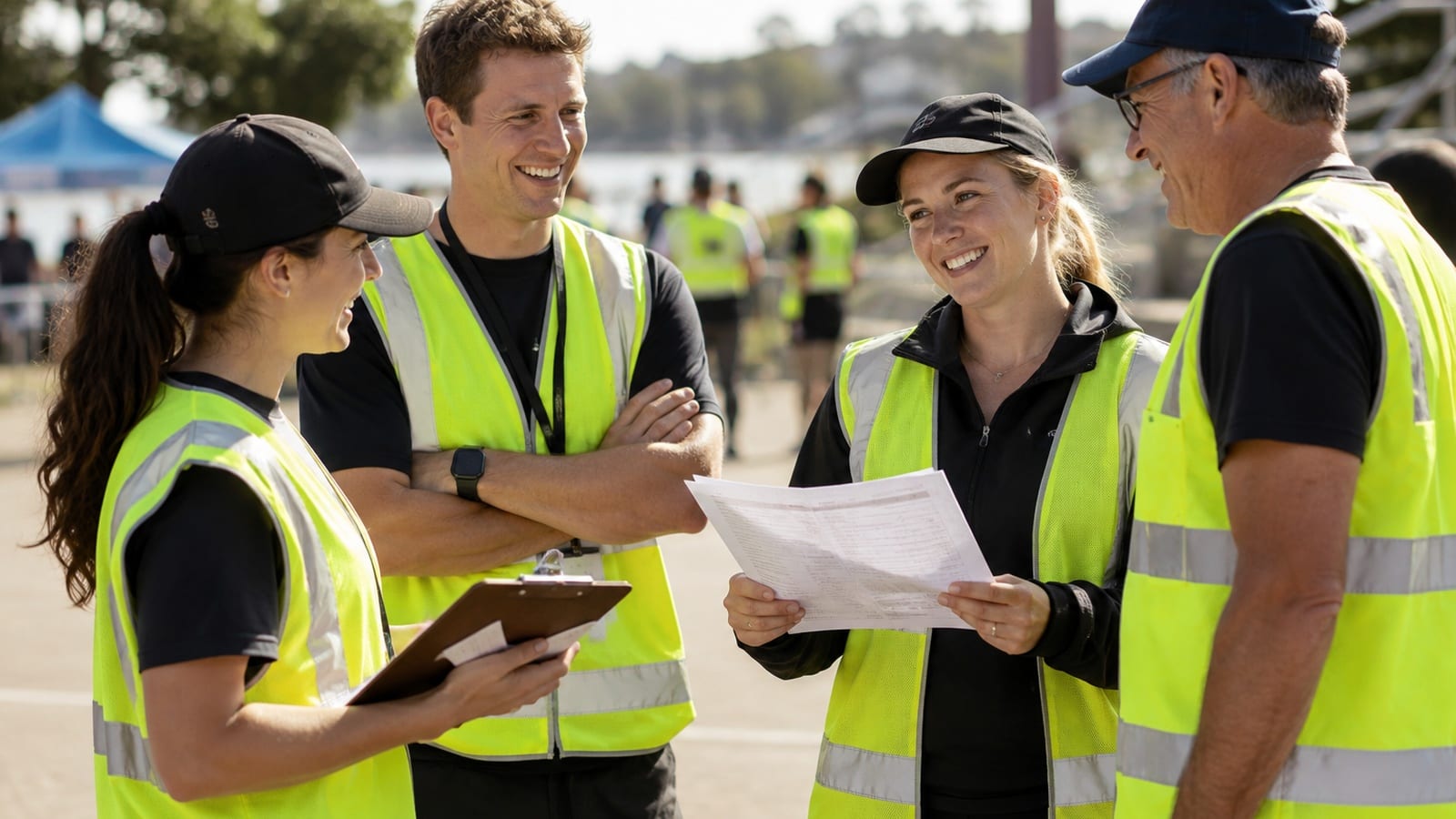
A volunteer coordinator in a high-vis vest holding a clipboard, smiling and pointing to direct a volunteer at an outdoor event

You've done it!

Availability noted, qualifications checked, preferences determined, locations confirmed, shifts allocated and every volunteer has a role.

The roster is finished.

But the job isn't.

Now everyone needs to know where to go, when to arrive, what they're doing, who they're reporting to and what they need to bring.

And for many organisations, that's where an entirely separate process begins.

Volunteer information and allocation may sit in spreadsheets or a similar system, while communication is distributed via mail merge, a CRM or another communications platform.

For many organisations, much of this information already exists. And if it doesn't, TaskWiz can assist in developing the content volunteers need based on the information already submitted.

Either way, the next challenge is making sure the right information reaches the right people. Allocation and communication aren't separate jobs.

When you're coordinating a large event, there is a lot to communicate, but that doesn't mean every volunteer needs to receive every piece of information.

Someone helping with registration needs different instructions from someone organising the catering. A volunteer on an early shift doesn't necessarily need information intended for those packing up at the end of the event. The responsibilities of Team A working in one location don't need the same information as Team B who are operating in a different location.

Sending everyone everything might seem easier, but more information doesn't necessarily mean better communication. Most of us have 'information overload' at the best of times. Trying to find an email in an overflowing inbox and then attempting to decipher what's relevant to them, is time consuming, not only for the volunteers, but for the coordinators who end up answering lots of questions.

Good communication isn't about sending more. It's about making sure the right information reaches the right people.

This is where bringing volunteer coordination and communication together makes a difference.

Instead of moving information between systems, rebuilding lists or manually working out who needs which message, allocation and communication become part of the same process.

There is another important part of the communication process - who the message comes from.

Volunteers have chosen to give their time to a particular organisation or event. That's the relationship that matters. They don't need to know which platform is working behind the scenes.

TaskWiz can deliver brand-specific emails, so the communication reflects the organisation the volunteer recognises and has agreed to support.

TaskWiz may be working behind the scenes, but the relationship remains between the organisation and its volunteers.

That's deliberate.

The platform shouldn't get in the way of that relationship. It should help organisations communicate more effectively while maintaining their own identity and connection with their volunteers.

The right information.

To the right people.

At the right time.

  • Volunteer Coordination
  • Communication
  • Rostering
  • Community Events
  • TaskWiz
Free walkthrough

Bring discipline to your
next event.

Book a 20-minute walkthrough. We'll show you how TaskWiz fits your event in real terms - no slides, no pressure.